 TOWN CONNECT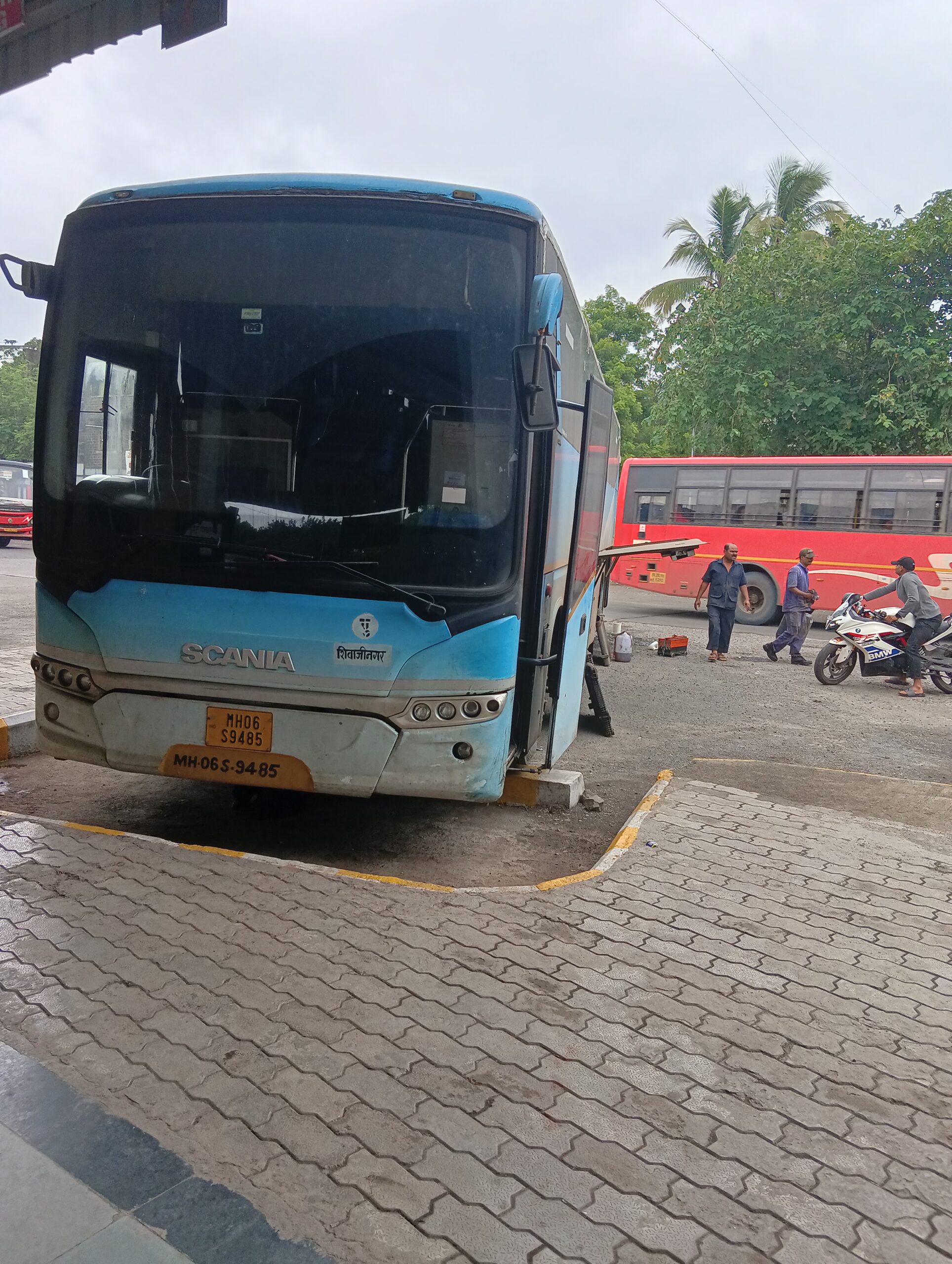
Pune : To provide safe and seamless travel for passengers during the rainy season, the Pune division of the Maharashtra State Road Transport Corporation (MSRTC) has executed an extensive pre-monsoon maintenance campaign. According to divisional officials, rigorous inspection and necessary repairs have been successfully completed across a total of 505 buses. As part of an annual protocol, this initiative was set into motion earlier this year in February.
Under the direct supervision of depot managers at every local depot, each vehicle underwent thorough technical checks. The maintenance teams prioritized critical areas to prevent common monsoon-related issues. Special attention was paid to sealing bus roofs to prevent water leakage—a frequent grievance among commuters during heavy downpours.
Comprehensive Repairs and Fleet Upgrades
To guarantee clear visibility for drivers in torrential rain, all bus wipers were thoroughly inspected, and faulty units were replaced. Engineers also serviced and repaired essential components including braking systems, lights, tires, windows, doors, and electrical wiring. MSRTC administration emphasized that these proactive measures will make bus services significantly more reliable and secure throughout the season.
Adding to the maintenance efforts, the Pune division has bolstered its fleet by inducting 93 brand-new ‘Lalpari’ buses. This new batch includes 16 Jijau buses and 41 Tata-manufactured vehicles. The addition of these modern buses is expected to deliver a higher standard of comfort and safety for commuters while reducing operational stress on older vehicles.
Phase-Out Plan for Aging Vehicles
Alongside fleet upgrades, MSRTC continues to systematically phase out aging and unserviceable buses. The Pune division has already scrapped 31 buses this year, while the procedure to scrap another 38 vehicles is currently in its final stages.
In line with standard MSRTC guidelines, buses approaching 15 years of service undergo a detailed technical assessment. Evaluators inspect the overall structural condition, safety standards, estimated repair expenses, and long-term viability of each vehicle. If a bus is found unsafe or economically unviable to repair, it is officially condemned and sent for scrapping.
MSRTC management remains confident that these timely preparations—spanning widespread repairs, fleet expansion, and the planned retirement of old vehicles—will ensure a reliable, safe, and comfortable commuting experience across the region this monsoon.