
 TOWN CONNECT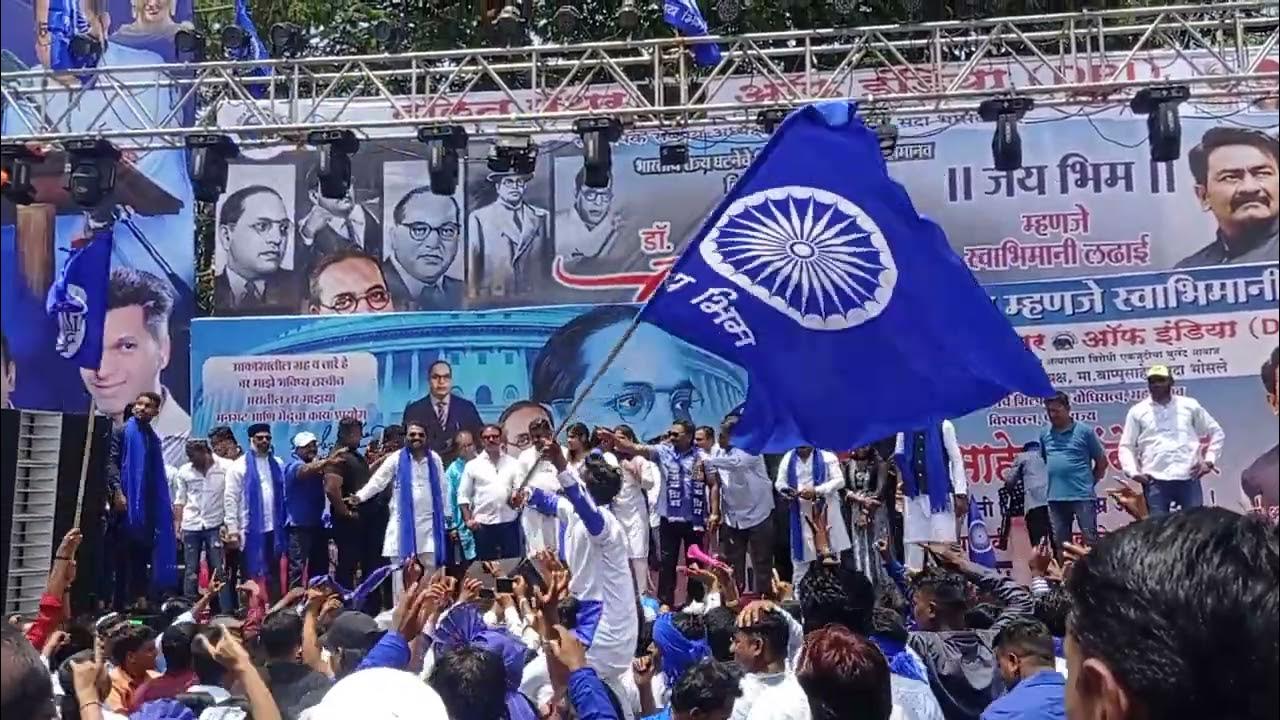
Pune : This year, the Dr. Babasaheb Ambedkar Jayanti celebrations in Pune are set to take a historic and progressive turn. In a significant departure from tradition, major Dalit organizations and the Ambedkar Jayanti Festival Committee have collectively decided on a “No DJ” policy, permanently ending a 25-year-old practice of using loud sound systems during the festivities. This move signals a profound shift toward celebrating the occasion with depth and social responsibility.
A Shift from Sound to Knowledge
Rahul Dambale, President of the Bharat Ratna Dr. Babasaheb Ambedkar Central Jayanti Festival Committee, announced that this unanimous decision was reached alongside key activists such as Rambhau Dambale, Suvarna Dambale, Siddhant Surve, Pradip Kamble, and Nikhil Bahule. The primary motivation behind this change is public well-being, specifically to prevent noise pollution and ensure that senior citizens and patients in the Pune Station area are not inconvenienced by the massive crowds of followers. To bring Dr. Ambedkar’s message “Read and you will survive” to life, funds previously spent on expensive sound systems will now be used to distribute books based on the thoughts of great leaders to 1,000 followers for free.
Key Features of the Silent Celebration
Instead of loud music, the committee is focusing on peaceful and intellectual methods to spread Dr. Ambedkar’s ideology. The celebration will feature a magnificent 30-foot tall Buddha statue as a central attraction and a three-character silent drama based on the lives of Tathagat Buddha, Emperor Ashoka, and Dr. Babasaheb Ambedkar. The committee has actively urged all other local groups to follow suit and refrain from using speakers, prioritizing the propagation of thoughts over the volume of music.
A New Model for Maharashtra
The Pune Police administration has warmly welcomed this initiative, recognizing its potential to maintain order and peace. By prioritizing education and community health over noise, Pune’s “No DJ” decision is being hailed as a new benchmark and an inspiring model for other cities across Maharashtra to follow. This transition from a traditional parade to an intellectual festival marks a new era in how the legacy of the “Architect of the Indian Constitution” is honored.